Comparison of Data Reduction Algorithms for Real-Time Data Processing in Embedded Systems
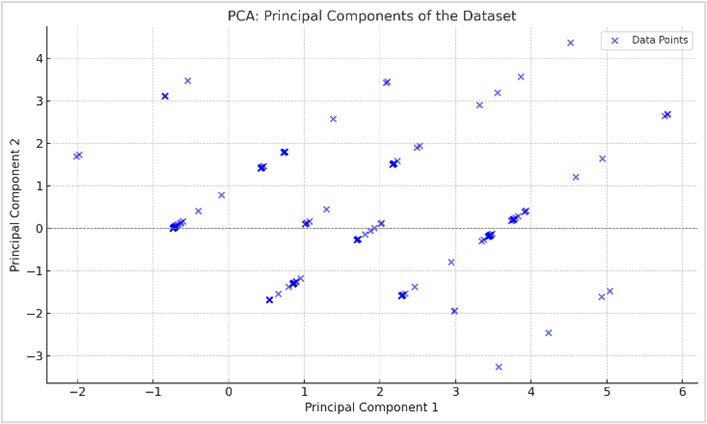
In embedded systems, large datasets are difficult to process in real-time due to limited processing power, memory capacity, and energy resources. In order to solve these difficulties, the use of algorithms that reduce data size and complexity has become a critical requirement. This study examines the techniques of five algorithms used for data reduction in embedded systems. The techniques of dimensionality reduction, numerosity reduction, data compression, data cube aggregation, and discretization algorithms are applied to a dataset. The dataset consists of load and angle data recorded every five seconds for three months. The selected data reduction techniques are evaluated to reduce data processing load, optimize storage requirements, and reduce energy consumption. The results show that each algorithm offers advantages according to different application requirements. The findings obtained in this study provide a guiding framework for the optimization of data processing processes in embedded systems. The results provide important information that can help system designers select algorithms suitable for application requirements. In the future, combining these algorithms with hybrid approaches can further increase the data processing capacity and efficiency of embedded systems.